Lobbying Tactics Under Scrutiny: Are ABMS's Actions Misleading?
Physicians are bound by the Hippocratic oath; however, the lobbyists representing them often operate under different principles. This was starkly evident during an intense late-night hearing in Texas, where the American Board of Medical Specialties (ABMS) faced criticism for its controversial lobbying tactics. The heart of the issue revolves around ABMS’s Maintenance of Certification (MOC) program, which, in theory, is designed to uphold physician credentials but in practice continues to draw widespread condemnation for inducing unnecessary stress without tangible benefits.
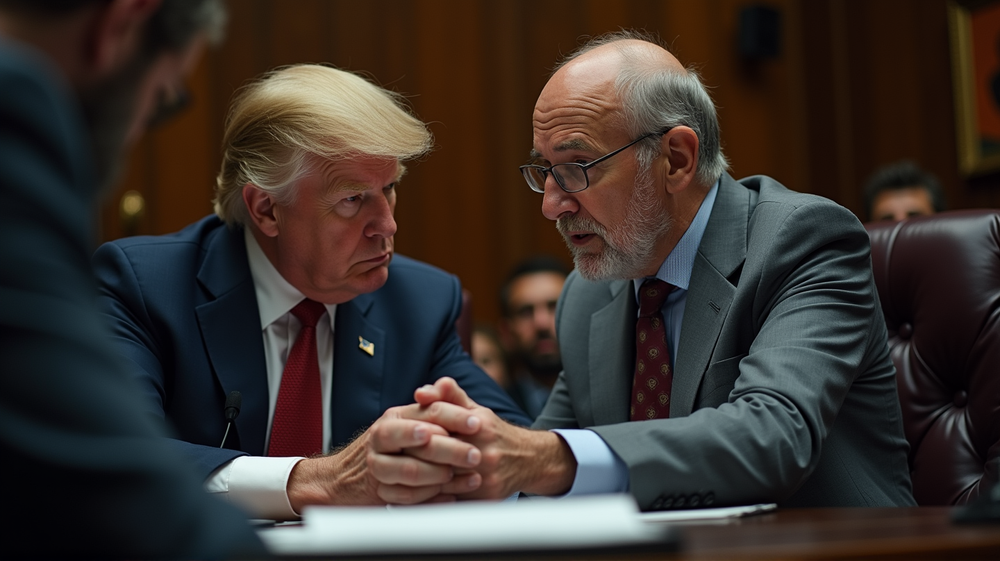
The Midnight Hearing
Witness to Abstraction: In a heated Texas legislative session, opposing voices clashed, exposing the tension between actual policy needs and lobbying rhetoric. As outlined by Karen Schatten, the experience exposed a strategic narrative crafted by ABMS that often skirted the truth in favor of persuasive sound bites.
Noerr-Pennington Shield
Legal Leeway: The Noerr-Pennington Doctrine allows organizations a broad latitude in lobbying the government. However, this protection raises ethical concerns, particularly when its application results in policies that potentially harm the public interest. Similar strategies have been historically used by entities like Purdue Pharma to market controversial practices and shield them from liability.
The Impact on Physicians
Burnout and Bureaucracy: As stated by multiple stakeholders, MOC does little to advance medical practice quality. Instead, it tangentially contributes to physician burnout and diminishes the appeal of the medical profession. Such adverse outcomes contrast sharply with ABMS’s stated mission to improve healthcare quality.
Ethical Implications
Questions of Integrity: With ABMS wielding significant influence through partnerships with organizations like the American Medical Association, ethical considerations become paramount. Can a nonprofit that ostensibly exists to enhance healthcare justifiably employ dubious lobbying strategies to protect its interests? Furthermore, should its considerable financial reserves, amassing upto $839 million, raise eyebrows regarding its true priorities?
Transparency and Accountability
Call to Action: As new federal lobbying disclosures reveal ABMS’s continued push for its certification programs, the broader medical community must demand transparency and accountability. The distinction between legal actions and ethical obligations has never been more critical.
Upholding a Higher Standard
Reiterating Trust: The medical community owes it to itself and the public to sift truth from narrative fiction. Despite what legal frameworks might allow, the ethical bar for medicine must remain steadfastly high, embracing a commitment to truthful representation of facts and a genuine focus on advancing patient care.
As witnessed at the Texas hearing, reclaiming the narrative around physician credentialing is not merely a legislative concern but a moral imperative that demands ongoing vigilance and advocacy for truthfulness in healthcare policy.
According to Medical Economics, the need for transparent and accountable actions from influential organizations like the ABMS is crucial for maintaining the integrity of healthcare systems.