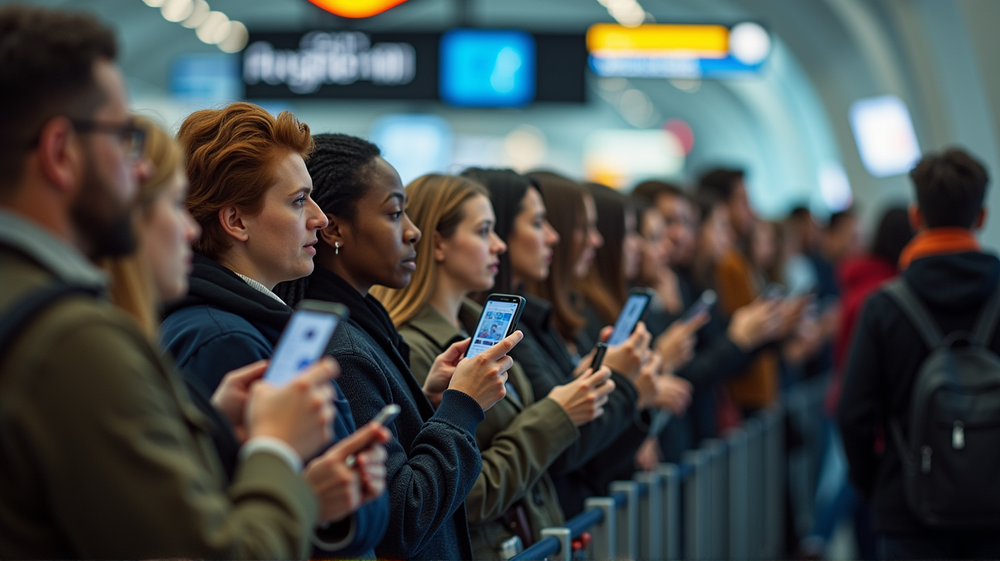
Social Media History Requirement: A New Hurdle for US-bound Tourists
In a move likely to stir debate across the globe, foreign tourists may soon find themselves asked to provide up to five years’ worth of social media history to enter the United States. This proposed requirement, introduced by the U.S. Customs and Border Protection, could represent a significant shift in the visa waiver travel process.
Expanding the Reach of the Visa Waiver Program
The Visa Waiver Program currently allows tourists from about 40 countries to travel to the U.S. for up to 90 days without a visa. These travelers submit their applications through the Electronic System for Travel Authorization (ESTA), which processes and screens individuals automatically without requiring embassy or consulate visits.
New Proposal Sparks Privacy Concerns
The new proposal suggests including social media scrutiny, alongside a decade’s worth of email history and previous phone numbers. Furthermore, travelers would need to furnish detailed records of electronically submitted photos and supply family members’ birthplaces and phone numbers. Critics fear this could open doors to mass surveillance, echoing debates from the Trump era, where an emphasis on tracking international visitors and heightened scrutiny led to similar measures.
Safety Versus Privacy: A Delicate Balance
According to LiveNOW from FOX, officials argue that these measures are crucial for maintaining national safety and ensuring that potentially harmful individuals are identified before entering the country. However, immigration advocates worry about the implications on freedom of speech and privacy. By insisting social media accounts must be public, authorities may deny visas to those unwilling to comply.
The Unfinished Rule and Public Response
While the debate rages on, the proposed rule is far from being finalized. The public has a 60-day window to express opinions, which could shape the implementation or modification of this policy. As officials highlight the preliminary nature of the proposal, the discourse steers towards examining new avenues for migrant scrutiny while safeguarding individual freedoms.
In this unfolding narrative of global security and privacy, the fine line between protecting borders and respecting individual rights remains at the forefront of policy discussions.