US Intensifies Social Media Scrutiny for H-1B Visa Applicants
In an unexpected turn of events, the United States is tightening its grip on the H-1B visa application process, heralding a new era where social media profiles could swing the balance. Aspiring applicants and their dependents are now required to throw open the doors to their social media lives, as part of a comprehensive push to safeguard national interests. The US Department of State’s declaration marks a significant tightening of the vetting approach that has left many aspiring professionals pondering their futures.
A Comprehensive Social Media Audit
As stated in Al Jazeera, the US Department of State’s latest directive positions social media as a critical element of the H-1B vetting process. All applicants, including accompanying family members, must ensure their social media presence is publicly accessible. The State Department seeks to prevent potential harm to national interests, focusing on rooting out any bhindividuals who might intend harm through their online presence.
Understanding the Landscape of H-1B Visas
H-1B visas are much sought after, offering a pathway for foreign talent to work in fields characterized by specialized expertise, such as IT, engineering, and medicine. Although officially a temporary arrangement, the visa often serves as a stepping stone to permanent residency in the US—a dream many international professionals aspire to realize.
Navigating Through Misinformation and Censorship
This new measure comes with particular scrutiny on those engaged in the ever-evolving fields of content moderation, misinformation, and disinformation. According to an internal cable, consular staff are advised to meticulously evaluate applicants’ LinkedIn profiles and employment history. Any association with censorship activities, especially those potentially stifling protected free speech in the US, now stands as a likely barrier to entry.
A Shift in US Immigration Philosophy
Under President Donald Trump’s administration, there has been a decisive shift towards emphasizing free speech—championing the ‘uncensored voice’ as a cornerstone of American values. Despite past support for global fact-checking efforts, the current administration has adopted a different strategy, aligning with tech moguls like Elon Musk, known for championing free speech autonomy.
The Global Perspective on Content Regulation
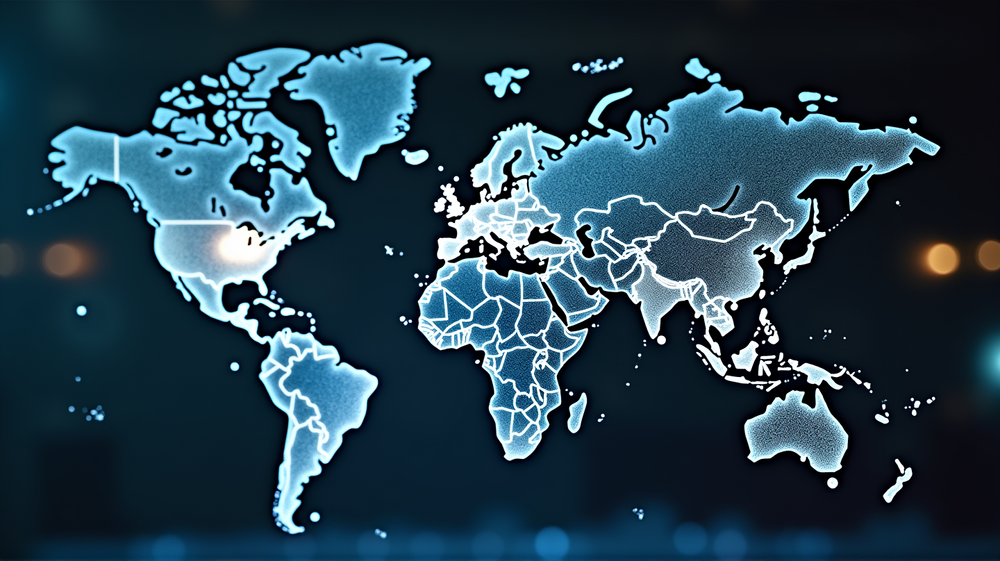
While the US recalibrates its stance on immigration and free speech, the world watches closely. Europe’s robust content regulations and Australia’s recent social media restrictions for minors place them at ideological odds with the US approach. The implications of such policy shifts reverberate across borders, affecting not only applicants but also global discourse on free expression.
As the US continues forging its path, the reactions and adjustments of the global community remain pivotal. Such profound policy shifts, coupled with the dynamic international political landscape, ensure that the discourse surrounding H-1B visas will remain a critical topic of discussion for the foreseeable future.